

Introduction
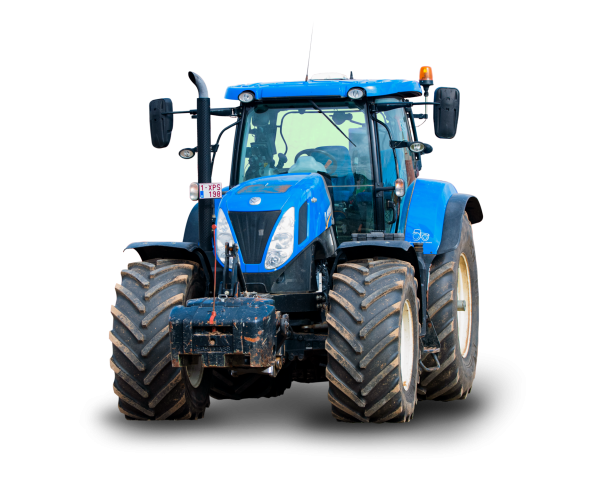
Choosing a tractor is one of those decisions that looks simple until the details begin lining up at the gate. Farmers and landowners are not only buying horsepower. They are buying a machine that may be expected to mow, haul, lift, grade, prepare soil, clear debris, manage driveways, support livestock areas, maintain fence lines, and help with seasonal cleanup. The wrong tractor can make even simple work feel awkward. The right tractor can become the steady center of a property’s daily rhythm.
A tractor should be chosen around the land, the operator, and the work that repeats most often. A small acreage, orchard, livestock property, homestead, estate, or mixed-use farm may each require a different balance of power, size, comfort, attachment compatibility, and service support. Buyers who begin with real tasks rather than showroom numbers usually make stronger decisions because the machine must perform in mud, grass, gravel, slopes, tight spaces, and long workdays.
Start With the Jobs the Tractor Must Handle
The best tractor decision begins with a written task list. Will the machine mostly mow and haul light material? Will it run a loader daily? Will it grade long gravel lanes, prepare garden plots, move feed, maintain pasture edges, or support larger implements? These questions matter because each job places different demands on horsepower, hydraulic capacity, traction, weight, and attachment fit.
For farmers, acreage owners, and rural property managers who want a clearer path through size, power, attachments, comfort, and long-term value, a practical Kubota tractor guide can help connect equipment choices with real property needs instead of leaving buyers to compare machines by horsepower alone. The strongest purchase is not always the largest tractor. It is the one that fits the land’s workload, the operator’s experience, and the tasks that return every season.
Size, Power, and Maneuverability Must Work Together
A tractor that is too small may struggle with loader work, heavier attachments, or tough ground conditions. A tractor that is too large may be difficult to maneuver around barns, garden rows, trees, gates, livestock areas, and home landscapes. Buyers should think about width, turning radius, weight, tire type, ground clearance, and storage space before deciding what size makes sense.
Bigger Is Not Always Smarter
A machine should feel capable without becoming difficult to use. On many small farms and rural properties, maneuverability can be just as important as raw strength. A tractor that can move confidently through tight access points will often be used more frequently than a larger machine that feels intimidating or clumsy near finished areas.
The best choice balances the tractor’s capacity with the owner’s actual terrain. Slopes, wet ground, gravel drives, wooded paths, and soft garden soil all change how a tractor performs. Tire selection also matters. Turf tires may protect finished areas, industrial tires can provide a middle ground, and agricultural tires may offer stronger traction where fieldwork is more common.
Rural Property Care Includes More Than Fieldwork
A tractor often supports the entire property, not just crop or pasture work. Landowners may use it near homes, sheds, orchards, lawns, barns, gardens, and outdoor work zones. That means equipment planning should also consider property safety, access, and maintenance around structures. Overgrowth, fallen limbs, damaged ground, and unwanted pests can all affect how smoothly a rural property functions.
The same property-minded thinking applies to home protection issues such as bee removal services for dangerous infestations, where safety, access, and timely action can prevent a small issue from becoming harder to manage. Tractor ownership follows a similar principle: the right machine helps owners keep access routes clear, move materials safely, and maintain spaces before problems grow teeth.
Attachments Decide How Useful the Tractor Becomes
A tractor’s real value often depends on attachments. A front loader can move soil, compost, feed, gravel, mulch, firewood, and debris. Pallet forks can handle supplies, seed, fencing materials, and stored items. A rotary cutter can manage rough grass and overgrown field edges. A box blade can maintain lanes and improve drainage. A tiller can prepare gardens and food plots.
Buyers should not treat attachments as random extras. They should be selected according to repeated work. If a task happens often, the right attachment can save time for years. If a task is rare, renting or hiring may make more sense. Tractor compatibility should also be checked carefully, including horsepower, hitch category, hydraulic flow, lift capacity, ballast needs, and storage requirements.
Market Conditions Can Influence Equipment Decisions
Farm equipment purchases do not happen in a vacuum. Crop prices, interest rates, operating costs, parts availability, and broader farm conditions can influence whether a buyer chooses new equipment, used equipment, or a more strategic upgrade path. A strong tractor purchase should fit both the property and the owner’s financial timing.
Industry reporting on improving farm conditions and equipment outlooks shows how machinery demand can shift with the larger agricultural economy. For individual buyers, the lesson is practical: choose equipment based on real need, long-term usefulness, and serviceability rather than reacting only to market noise.
Comfort and Controls Affect Daily Work
Operator comfort is not decoration. A tractor that is easier to operate will usually be used more safely and consistently. Seat support, visibility, steering feel, control layout, transmission choice, pedal placement, and ease of attachment changes all affect productivity. When an operator is tired or unsure, even simple jobs become slower and less precise.
Visibility is especially important for loader work, mowing near buildings, handling materials, and working around animals or people. A good tractor should help the operator feel in control rather than forcing constant guesswork. Precision protects the land, the machine, and everyone nearby.
Maintenance Support Should Be Part of the Decision
A tractor is a long-term working partner, so maintenance should be considered before purchase. Buyers should think about parts access, service support, filter changes, grease points, tire care, hydraulic connections, battery maintenance, and attachment wear. A machine that is easy to maintain is more likely to stay useful through many seasons.
Simple records can help owners protect the investment. Tracking service dates, repairs, part numbers, and recurring issues makes future maintenance easier. A small notebook or spreadsheet can prevent memory from becoming the farm’s weakest tool.
Brand Section: H&R Agri-Power
H&R Agri-Power supports farmers, homesteaders, landowners, and rural property managers who need equipment choices grounded in real working conditions. Tractor selection often involves more than comparing model names. Buyers must consider land size, terrain, attachments, operator comfort, storage space, maintenance needs, and long-term support.
That kind of practical guidance can help buyers avoid choosing too much tractor, too little tractor, or a setup that does not match the property. A knowledgeable equipment source helps turn a tractor purchase into a clearer plan for mowing, hauling, grading, soil preparation, and year-round land care.
Conclusion
Choosing the right tractor begins with honest observation. Buyers should study their land, list recurring jobs, consider attachments, evaluate terrain, compare comfort features, and think about maintenance support before making a decision. A tractor should fit the work, not force the owner to bend every task around the machine.
When size, power, attachments, service, and operator needs are matched carefully, a tractor becomes more than equipment. It becomes a dependable partner for keeping rural property productive, organized, and ready for the next season’s work.