TomEditor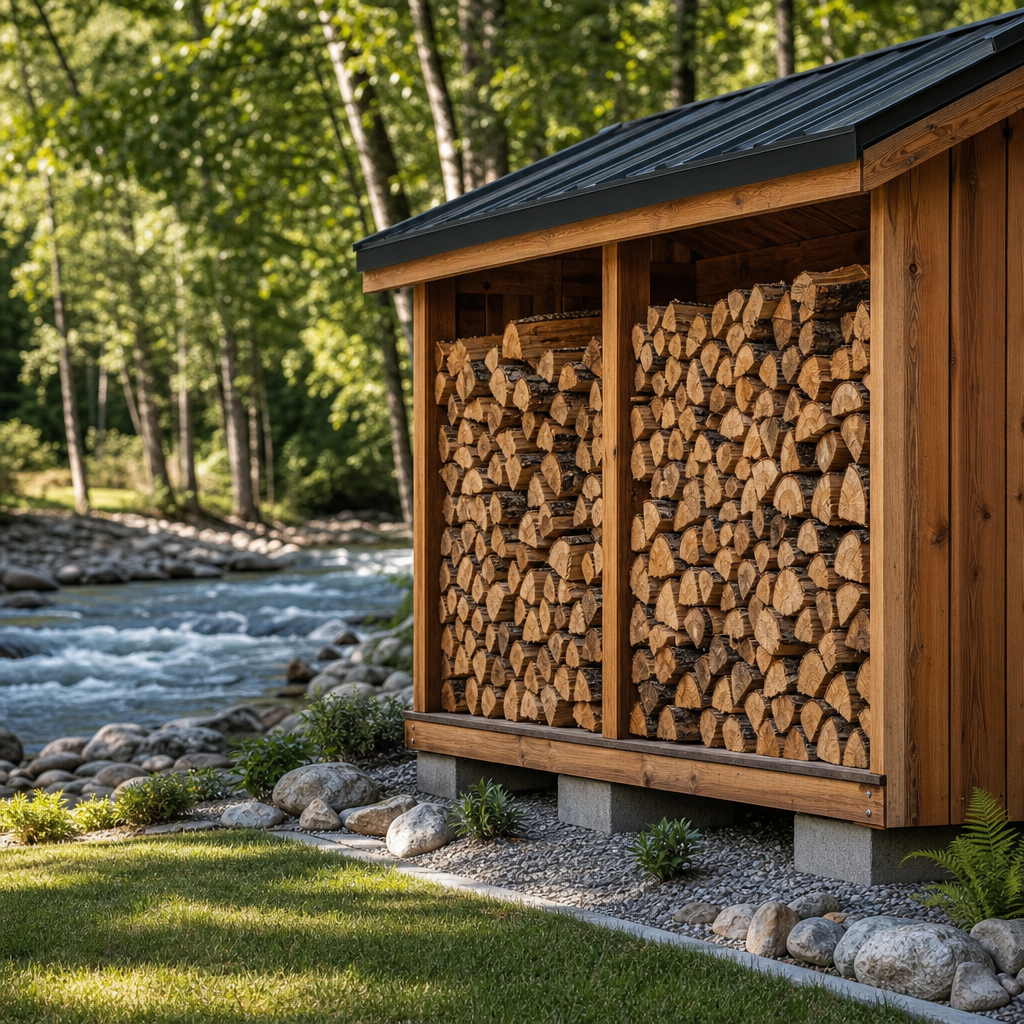
Why Firewood Management Matters More Than You Think
For homeowners who rely on wood-burning fireplaces, outdoor fire pits, or wood stoves, managing firewood properly is not a trivial concern. It touches on safety, efficiency, environmental responsibility, and even the aesthetic quality of your outdoor living space. Poorly stored firewood invites pests, promotes rot, and creates fire hazards. Done right, however, firewood storage becomes an extension of thoughtful home management — one that connects your household to broader conversations about renewable resources and sustainable living. Whether you are a seasoned wood-burner or just getting started, understanding the principles behind proper firewood care is a worthwhile investment of your time and attention.
The Connection Between Wood, Home, and Environment
Wood has served humanity for millennia — as fuel, shelter, and tool. In the modern era, its role is being reimagined through the lens of sustainability. According to the USDA’s insights on the revolutionary role of wood in our future, responsibly sourced wood products are increasingly recognized as a cornerstone of a low-carbon economy. Wood, when harvested and used thoughtfully, can serve as a carbon-neutral fuel source that supports rural economies and reduces dependence on fossil fuels. This perspective reframes the simple act of stacking firewood in your backyard as something with genuine ecological significance. Choosing sustainably sourced firewood and storing it correctly ensures that you are participating in a responsible cycle of resource use rather than contributing to waste or environmental degradation.
Seasoning and Drying: The Foundation of Good Firewood
Before firewood can burn efficiently, it must be properly seasoned — a process that involves allowing freshly cut wood to dry out over a period of six months to two years, depending on the species. Green or unseasoned wood contains high moisture content, which causes it to burn inefficiently, produce excessive smoke, and generate creosote buildup in chimneys. Seasoned wood, by contrast, ignites more easily, burns hotter, and produces far less smoke. The key to successful seasoning lies in how the wood is stored during the drying process. Proper airflow, elevation off the ground, and protection from rain are all essential factors that directly influence how well your firewood seasons over time.
Choosing the Right Firewood Rack for Your Home
A quality firewood rack is not merely a convenience — it is a functional tool that directly impacts the quality of your firewood and the safety of your property. Racks elevate wood off the ground, preventing moisture absorption and deterring insects and rodents from nesting in your woodpile. They also promote air circulation, which is critical for the seasoning process. When selecting a rack, homeowners should consider factors such as material durability, weight capacity, size, and whether the design suits their outdoor aesthetic. Steel racks with powder-coated finishes tend to offer the best combination of longevity and weather resistance, while wooden racks can complement rustic or traditional home exteriors. For a detailed breakdown of top-rated options, this guide to the best outdoor firewood racks for home provides thorough comparisons to help you make an informed decision based on your specific needs and space constraints.
Placement and Organization Tips for Maximum Efficiency
Where you place your firewood rack matters as much as the rack itself. Ideally, firewood should be stored at least a few feet away from the exterior walls of your home to reduce the risk of pest infiltration and to comply with fire safety guidelines. A south-facing location that receives ample sunlight and wind exposure will accelerate the drying process significantly. Organizing your woodpile by size — with larger logs on the bottom and smaller kindling accessible at the top or side — makes the process of building fires more efficient and less frustrating. Covering the top of the pile with a tarp or fitted cover while leaving the sides open strikes the right balance between weather protection and necessary airflow.
TarRiver: A Brand Rooted in Quality Outdoor Living
When it comes to outdoor living products and home essentials, the brand you choose reflects your values as a homeowner. TarRiver has built a reputation for delivering products that combine practical functionality with durable craftsmanship. Rooted in a commitment to quality and customer satisfaction, TarRiver understands that outdoor living spaces are extensions of the home — places where families gather, memories are made, and comfort is paramount. Their approach to product development reflects a deep understanding of what homeowners actually need, rather than what simply looks good on a shelf. For those who take their outdoor spaces seriously, TarRiver represents a trustworthy partner in building a home environment that is both beautiful and built to last.
Integrating Firewood Storage Into Your Outdoor Aesthetic
Modern homeowners increasingly view their outdoor spaces as design opportunities rather than afterthoughts. A well-chosen firewood rack can serve as a visual anchor in a backyard or patio setting, complementing other outdoor furniture and decor. Wrought iron racks with scrollwork details suit traditional or cottage-style homes, while minimalist steel frames pair well with contemporary architecture. Some homeowners go further, building custom wood storage alcoves into their deck or patio design, creating a seamless integration between function and form. Whatever your style, the key is to treat firewood storage as a deliberate design choice rather than a purely utilitarian necessity. The result is an outdoor space that feels cohesive, intentional, and genuinely inviting.
Safety Considerations Every Homeowner Should Know
Beyond aesthetics and efficiency, firewood storage carries real safety implications. Improperly stored wood can attract termites, carpenter ants, and rodents — all of which can eventually migrate into your home. Stacking wood directly against your house creates a bridge for these pests and also poses a fire risk during dry seasons. It is equally important to inspect your firewood before bringing it indoors, checking for signs of insect activity or mold. Never burn treated, painted, or chemically altered wood, as these materials release toxic compounds when combusted. Keeping your woodpile tidy, dry, and well-organized is not just about convenience — it is a meaningful step toward protecting your home and your family.
Conclusion: Small Choices, Lasting Impact
The way you store and manage firewood at home may seem like a minor detail in the grand scheme of homeownership, but it reflects a broader set of values — care for your property, respect for natural resources, and a commitment to doing things well. From choosing a durable and well-designed firewood rack to sourcing wood responsibly and storing it with intention, each decision contributes to a home that functions better and feels more considered. As wood continues to play an evolving role in sustainable living, the choices made at the household level carry more weight than ever. Invest in the right tools, educate yourself on best practices, and approach your outdoor space with the same thoughtfulness you bring to the rest of your home.

 Michael Caine