Elizabeth Samson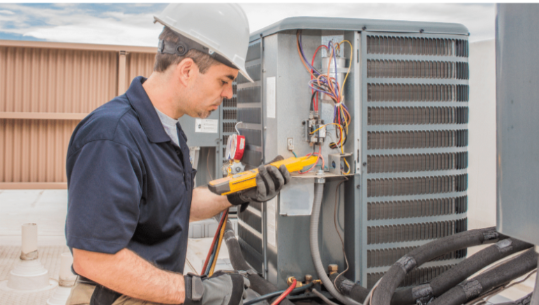
Maintaining a comfortable and reliable home environment depends heavily on how well your heating and cooling system performs year-round. Many homeowners overlook the importance of inspections until a breakdown occurs. Scheduling routine HVAC in Cleveland ensures systems operate efficiently, safely, and consistently throughout the changing seasons. These inspections help identify minor concerns early, support long-term system health, and reduce unexpected disruptions. When trained professionals handle inspections, homeowners gain peace of mind knowing their comfort systems are properly maintained. Over time, this proactive approach supports both performance and cost control.
Protecting System Performance and Efficiency
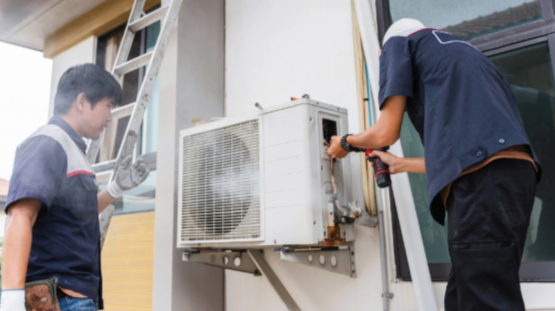
Routine HVAC inspections focus on keeping every component working as intended. Technicians examine airflow, electrical connections, and mechanical parts to confirm the system operates smoothly. Small adjustments during inspections often restore efficiency that gradually declines with regular use.
A well maintained system does not need to work as hard to regulate indoor temperatures. This results in more even comfort across rooms and improved energy efficiency. Inspections also help detect worn parts before they fail, reducing the risk of sudden outages during extreme weather. Professional oversight ensures systems continue performing at their best while minimizing unnecessary strain.
Early Detection Prevents Costly Repairs
One of the most valuable benefits of routine inspections is early problem detection. Minor issues such as loose components or restricted airflow can escalate into major repairs if ignored. Inspections allow professionals to identify these concerns before they compromise the entire system.
By addressing issues early, homeowners avoid emergency service calls and expensive part replacements. This proactive care supports long term system reliability and helps extend the overall lifespan of heating and cooling equipment. Consistent inspections also provide documentation of system condition, which can be helpful when planning future upgrades.
Supporting Indoor Air Quality and Safety
HVAC systems play a key role in maintaining indoor air quality. Inspections include evaluating filters, duct connections, and system cleanliness to ensure air circulates properly. Clean systems reduce the buildup of dust and debris that can affect comfort and respiratory health.
Safety is another critical focus of routine inspections. Professionals check electrical components, ventilation, and system operation to reduce potential hazards. This level of care ensures systems function safely while maintaining healthy indoor conditions for the household.
Professional Guidance Builds Confidence
Routine inspections also provide homeowners with valuable insight into their system. Professionals explain system performance, discuss expected wear, and offer guidance on best practices for ongoing care. This education empowers homeowners to make informed decisions about maintenance and future service needs.
Many homeowners benefit from understanding how to select qualified service providers and what to expect from professional care. Knowing how to find a good HVAC technician offers additional insight into choosing experienced professionals who prioritize quality service and system reliability. Informed homeowners are better equipped to protect their investment and avoid unnecessary complications.
Long Term Value and Peace of Mind
Regular HVAC inspections are an investment in long-term home comfort and system value. Systems that receive consistent professional attention tend to last longer and perform more reliably. This reduces the likelihood of unexpected failures and supports predictable maintenance planning.
Inspections also help homeowners budget more effectively by minimizing surprise expenses. When systems are evaluated regularly, repair needs are identified early and addressed gradually rather than all at once. This approach supports both financial stability and uninterrupted comfort.
Adapting to Seasonal Demands
Seasonal changes place varying demands on HVAC systems. Routine inspections ensure systems are prepared to handle both heating and cooling cycles efficiently. Professionals adjust settings, inspect components, and confirm proper operation before peak usage periods begin. This preparation helps systems respond effectively to temperature extremes while maintaining consistent comfort indoors. Regular inspections ensure homes remain comfortable regardless of seasonal shifts.
Conclusion
Routine HVAC inspections are essential for maintaining comfort, efficiency, and safety within the home. Through professional evaluations, homeowners benefit from improved system performance, early issue detection, and enhanced indoor air quality. Inspections support long-term equipment reliability while reducing unexpected repair costs. By prioritizing regular professional care, homeowners create a stable and comfortable living environment that performs reliably year after year.