Michael Caine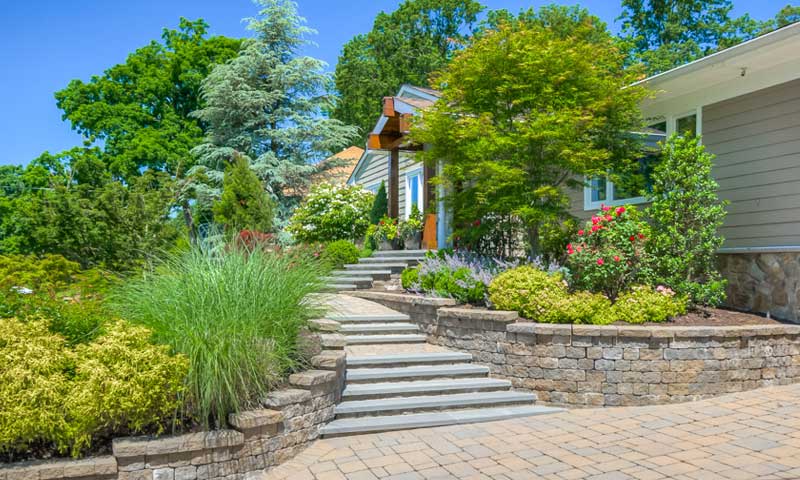
One of the most common garden complaints is the “empty” stretch—those weeks in late winter or midsummer when everything looks tired or bare. The good news is that with thoughtful planning, you can have something blooming, glowing, or texturally interesting in your garden in every single season. Here are good garden ideas to keep color flowing all year long.
Plan in Layers, Not Just Seasons
Rather than thinking only about spring bulbs or summer annuals, plan your garden in layers: a foundation of evergreens and structural shrubs, a middle layer of perennials that peak at different times, and a top layer of seasonal annuals and bulbs that fill gaps. This is one of the good garden ideas that changes everything else on this list, because it gives every other tip a framework to sit inside.
Spring: Bulbs and Early Bloomers
Start the year with a strong show of spring bulbs—crocuses, daffodils, tulips, and hyacinths planted in generous drifts rather than thin rows. Pair them with early-flowering shrubs like forsythia or flowering quince for a burst of color before most perennials have even woken up. It’s one of the good garden ideas gardeners return to year after year.
Summer: The Perennial Backbone
Summer is when most gardens hit their stride, but staggering bloom times keeps the display fresh rather than front-loaded into June. Combine early summer perennials like peonies and irises with mid-season stars like coneflowers and daylilies, then layer in late summer performers such as black-eyed Susans and Russian sage to carry color into September. Among good garden ideas for this season, staggering bloom times is the one that matters most.
Autumn: Foliage and Late Flowers
Don’t let color stop when flowers fade. Ornamental grasses, Japanese maples, and shrubs like burning bush or oakleaf hydrangea put on spectacular foliage displays in autumn. Late-blooming perennials such as asters, sedum, and chrysanthemums extend the flowering season well into fall, right up until the first frost—one of the more underused good garden ideas out there.
Winter: Structure and Surprise
Winter interest is often overlooked, but it’s where a garden’s design truly shows, and it’s a great test of good garden ideas that hold up when nothing else is happening. Evergreen shrubs, ornamental bark (think coral bark maple or paperbark birch), and seed heads left standing add texture against snow or bare ground. Winter-flowering plants like hellebores, witch hazel, and winter jasmine offer genuine surprise blooms when little else is growing.
Use Containers to Fill Gaps
Container plantings are a flexible tool for year-round color because they can be swapped seasonally without disturbing your permanent beds. This is one of the more practical good garden ideas for renters or anyone unsure about committing to permanent beds. Rotate pansies and violas in cooler months for summer annuals, then bring in ornamental kale or mums as autumn approaches.
Repeat Colors for Cohesion
A garden with color all year can start to feel chaotic if every season introduces a completely different palette. Choose two or three colors you love and look for varieties in those tones across each season, so the garden feels intentional and unified even as the specific plants change. This is one of the simplest good garden ideas to apply, and one of the most effective.
Don’t Forget Foliage Color
Flowers aren’t the only source of color. Plants with variegated, silver, burgundy, or chartreuse foliage provide season-long interest that doesn’t depend on a bloom cycle at all. Heucheras, Japanese barberry, and hostas with striking leaf patterns can anchor a bed even when nothing nearby is flowering—another one of those good garden ideas that outlasts any single flower.
Consider Bark and Stem Color Too
Beyond leaves and flowers, the bark and stems of certain shrubs offer color that lasts well beyond a single season. Red- and yellow-twig dogwoods glow brightly through winter months, while trees with peeling or textured bark add visual interest that most gardeners overlook when hunting for good garden ideas.
Map It Out
The simplest way to catch and fix seasonal gaps is to walk your garden with a notebook once a month for a full year and jot down what’s blooming and what isn’t. Over time, this record becomes a personalized map showing you exactly where to add the next season’s good garden ideas.
Final Thoughts
Building a garden with year-round color is less about finding a single miracle plant and more about layering bloom times, foliage interest, and structural elements so something is always happening. With a little observation and patient planting over a few seasons, these good garden ideas will reward you with color in every month—even the ones you least expect.