TomEditor
The three most popular spa treatments are massage therapy, facials, and hydrotherapy. These consistently top the charts across luxury day spas, resort spas, and medical spas worldwide because they deliver real, noticeable results for relaxation, skin health, and overall well-being.
1. Massage Therapy
Massage is the most requested spa treatment globally. It reduces muscle tension, lowers cortisol levels, improves circulation, and promotes deep relaxation. Whether it is a Swedish massage for general stress relief, a deep tissue massage for chronic muscle pain, or a hot stone massage for a more immersive experience, this treatment suits nearly every client.
Most popular types:
- Swedish massage (light to medium pressure, ideal for beginners)
- Deep tissue massage (targets deeper muscle layers for tension and pain)
- Hot stone massage (heated stones placed on key muscle points for enhanced relaxation)
Session length: Typically 60 to 90 minutes.
2. Facials
Facials are the top choice for skin care at spas. A professional facial goes beyond what at-home routines can achieve, using steam, exfoliation, extractions, masks, and serums tailored to your skin type. Regular facials help with acne, hyperpigmentation, dullness, and early signs of aging.
Most popular types:
- Classic European facial (deep cleansing and hydration)
- Anti-aging facial (targets fine lines and boosts collagen)
- Hydrafacial (combines cleansing, exfoliation, and serum infusion in one session)
Session length: Typically 60 minutes.
3. Hydrotherapy
Hydrotherapy uses water at varying temperatures and pressures to relax muscles, improve circulation, and detoxify the body. It is a cornerstone treatment in European spa culture and is growing rapidly in North American and Middle Eastern wellness markets. Soaking in mineral-rich thermal pools, Vichy showers, and whirlpool baths all fall under this category.
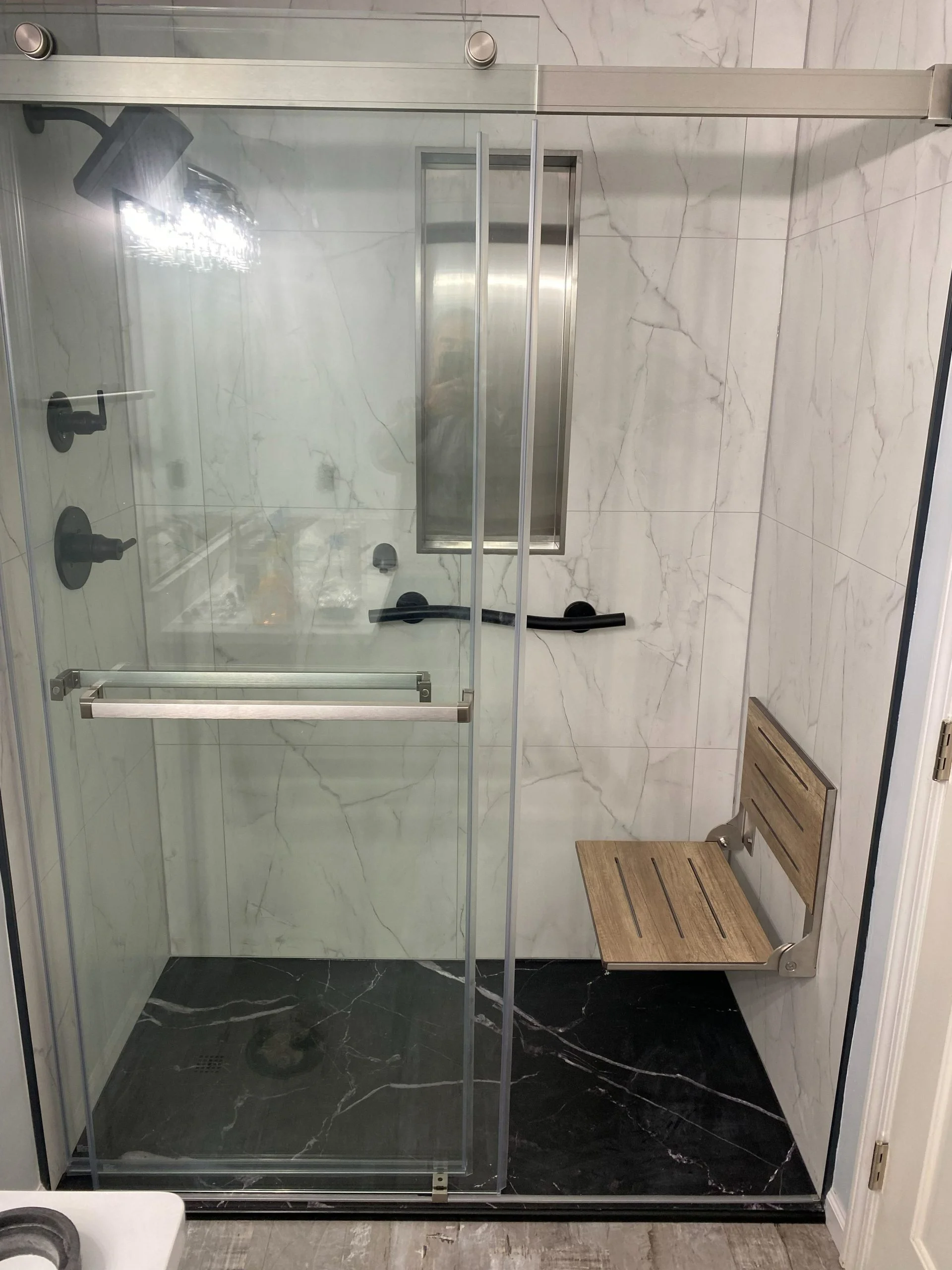
Many high-end spa facilities now integrate luxurious wet room environments featuring natural stone tiles on floors and walls, not just for aesthetics but for durability and hygiene in high-moisture settings. The right surface material elevates both the safety and ambiance of hydrotherapy spaces, making them feel genuinely resort-level.
Most popular types:
- Thermal pool soak
- Vichy shower treatment
- Cold and hot contrast therapy
Session length: 30 to 60 minutes depending on the protocol.
How to Choose the Right Spa Treatment for You
| Your Goal | Best Treatment |
| Stress relief and muscle pain | Massage therapy |
| Skin clarity and anti-aging | Facial |
| Detox and circulation boost | Hydrotherapy |
If you are visiting a spa for the first time, a Swedish massage or classic facial is the safest starting point. Both are gentle, universally beneficial, and require no prior spa experience.
Designing a Spa-Inspired Space at Home
You do not need a resort to enjoy spa-level relaxation. Many homeowners are now designing bathroom retreats that mirror professional spa environments. Choosing quality tiles for your bathroom, wet room, or shower area is one of the most impactful upgrades you can make. Texture, material, and finish all influence how a space feels, and a well-tiled bathroom dramatically enhances the at-home wellness experience.
If you are looking for design inspiration for a calm, cohesive aesthetic in a smaller space, this guide on small kitchen interior design ideas applies many of the same minimalist and functional principles that work equally well in spa-style bathrooms.
Conclusion
The three most popular spa treatments, massage therapy, facials, and hydrotherapy, are popular for good reason: they work. Each targets different wellness needs, from muscle recovery and stress relief to skin health and detoxification. Whether you visit a professional spa or create a relaxing retreat at home, these treatments are worth making a regular part of your self-care routine.
Frequently Asked Questions
How often should you get a spa treatment? For massage and hydrotherapy, once or twice a month is ideal for maintaining benefits. For facials, most dermatologists recommend once every four to six weeks to align with your skin’s natural renewal cycle.
What should I wear during a spa treatment? Most spas provide robes, slippers, and disposable underwear. For massages, you are draped with a sheet throughout the session. For facials, you remain fully clothed from the neck down.
Is hydrotherapy safe for everyone? Hydrotherapy is generally safe but may not be suitable for people with cardiovascular conditions, skin infections, or pregnancy. Always consult with the spa therapist before booking.
What is the difference between a day spa and a medical spa? A day spa focuses on relaxation treatments like massages and facials. A medical spa (medspa) is supervised by a licensed medical professional and offers clinical treatments like Botox, chemical peels, and laser therapy in addition to traditional spa services.
Can spa treatments help with anxiety and mental health? Yes. Studies show that massage therapy significantly lowers cortisol (the stress hormone) and increases serotonin and dopamine levels. Regular spa visits contribute to reduced anxiety, better sleep, and improved mood.What should I do before a spa appointment? Arrive 15 minutes early, avoid heavy meals beforehand, stay hydrated, and inform your therapist of any health conditions, allergies, or areas of sensitivity before the session begins.

 Michael Caine