Michael Caine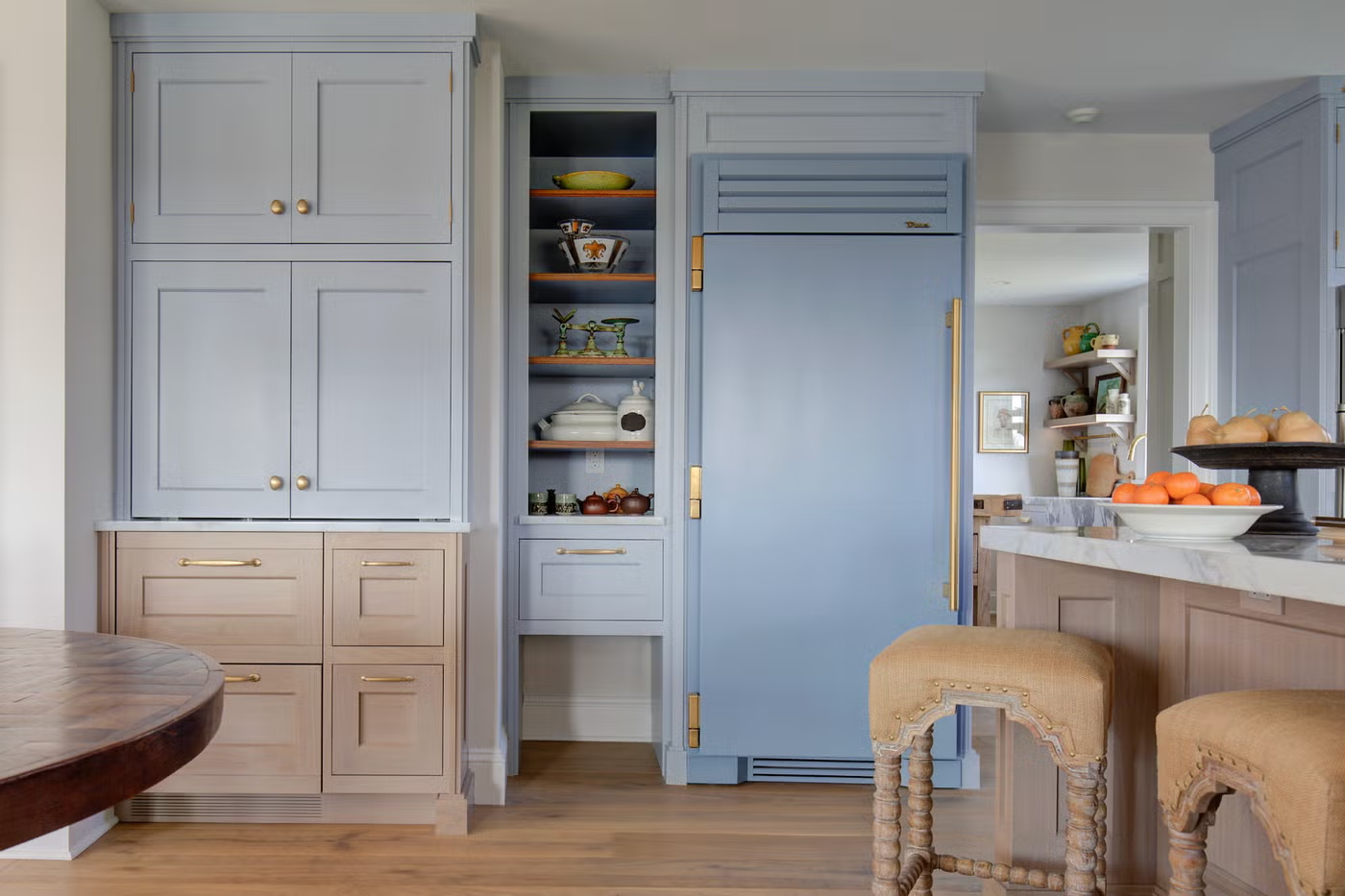
Coffee makers, blenders, mixers, and toasters are useful enough to keep nearby but bulky enough to make countertops look crowded. Appliance garage ideas create a middle ground by giving everyday machines a dedicated hiding place while keeping them close to the work surface instead of repeatedly moving them into deep cabinets.
Decide Which Appliances Actually Need a Garage
An appliance garage works best for machines used often enough to deserve counter-level access. Daily coffee equipment, a toaster, or a frequently used blender may fit this category.
Rarely used appliances usually don’t justify premium countertop space, even behind a door. Moving those pieces to a pantry or deeper cabinet leaves the garage available for the machines that otherwise remain permanently visible.
For broader cabinetry inspiration, home interior resources can help connect appliance storage with surrounding finishes and work zones.
Choose a Door That Fits the Work Area
Door style affects both appearance and usability. A traditional hinged door is simple but may project into prep space, while lift-up, pocket, sliding, or tambour mechanisms keep the opening more contained.
The best choice depends on what sits in front of the cabinet. A beautiful door becomes annoying if it has to remain open across the main food-preparation area every morning.
| Door Style | Advantage | Possible Drawback |
|---|---|---|
| Lift-up front | Opens above worktop | Needs upper clearance |
| Pocket doors | Stay out of the way | Uses side cabinet space |
| Tambour door | Compact movement | More tracks to clean |
| Hinged doors | Simple hardware | Can block counter space |
Plan the Inside Like a Small Workstation
A garage doesn’t need to be an empty box. A pull-out shelf can bring a coffee maker forward, while a shallow upper shelf can hold filters, mugs, or accessories.
Electrical planning also matters. Looking at kitchen organization concepts can encourage a more complete approach in which outlets, lighting, storage, and appliance access are considered together rather than added separately.
Keep Heat and Steam in Mind
Some appliances produce heat or steam while operating. Follow appliance instructions and make sure the enclosure doesn’t force equipment to run in conditions the manufacturer doesn’t recommend.
In many cases, using the appliance with the garage fully open is more sensible than trying to operate it behind closed doors.
Make the Closed Garage Disappear Visually
Matching the appliance garage front to nearby upper cabinets creates a continuous appearance. In minimalist kitchens, a flush panel can make the entire section read as part of the cabinetry wall.
Other homeowners prefer contrast, especially around a dedicated breakfast or coffee zone. Interior space ideas can offer useful inspiration for treating these storage niches as part of the room’s visual composition.
Don’t Forget the Counter Surface
The surface inside the garage should be easy to wipe. Crumbs, coffee grounds, splashes, and appliance feet can make elaborate materials harder to maintain than expected.
What Appliance Garages Don’t Automatically Fix
Hiding appliances doesn’t solve poor organization by itself. If cords, pods, attachments, utensils, and spare accessories are thrown into the same compartment, the garage can become cluttered behind closed doors.
There’s also a risk of creating an enclosure that’s too small for future appliances. Measuring current equipment is essential, but allowing modest extra space can make the cabinet useful even after a machine is replaced.
Frequently Asked Questions
What appliances work well in an appliance garage?
Coffee makers, toasters, blenders, small food processors, and similar frequently used countertop appliances are common choices, provided the cabinet size and operating conditions suit the equipment.
Can appliances stay plugged in inside the garage?
That depends on the appliance, outlet arrangement, cabinet design, and manufacturer instructions. Electrical work should be planned appropriately rather than relying on extension cords hidden inside cabinetry.
Is an appliance garage worth losing counter space?
It can be when visual calm and convenient access matter more than having every inch of counter permanently open. Poorly positioned garages, however, may simply move clutter into a less usable enclosure.
Hide the Machine Without Hiding Its Usefulness
An effective appliance garage should shorten daily routines, not add extra steps. Choose machines that genuinely deserve counter-level access, give doors enough room to operate, and plan power and interior storage from the beginning. The result can make a busy kitchen look calmer without making everyday appliances harder to reach.