

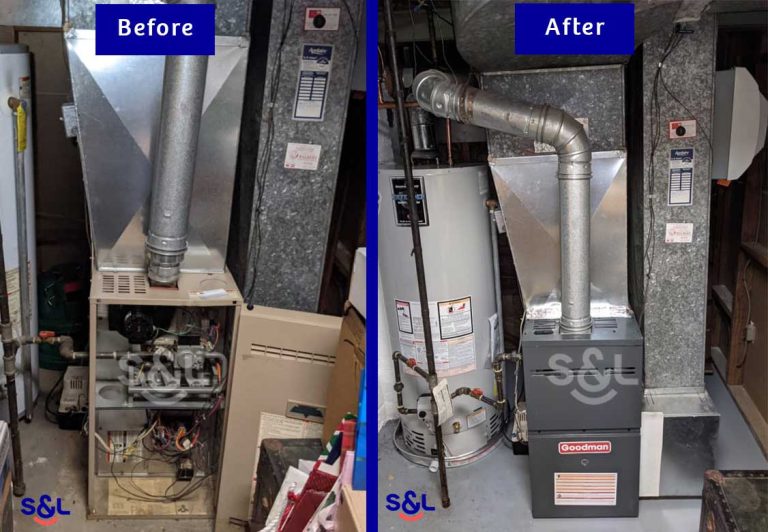
Choosing a new furnace is a major investment for any homeowner. In Minnesota, where winter temperatures can drop well below freezing, a dependable heating system is essential for maintaining a comfortable and safe home. However, buying a quality furnace is only part of the decision. The company installing it plays an equally important role in how well the system performs.
A poorly planned installation can lead to uneven heating, unnecessary energy use, frequent repairs, and other problems. On the other hand, working with a qualified HVAC contractor helps ensure the equipment is appropriate for your home and installed correctly.
Before signing a contract, take time to ask potential contractors a few important questions. Their answers can help you compare companies, understand the installation process, and avoid unexpected costs.
Here are ten questions worth asking before hiring a furnace installation company.
1. Are You Licensed and Properly Insured?
Start with the contractor’s credentials. Furnace installation involves gas connections, electrical components, ventilation, and other technical work. You want a company that meets applicable licensing requirements and carries appropriate insurance.
Ask whether the company has the necessary credentials to perform HVAC installation work in your area. You can also ask for proof of insurance and clarify what coverage applies to the installation.
A professional contractor should be comfortable discussing these details. If a company avoids the question or cannot provide clear information, consider that a reason to look elsewhere.
2. How Will You Determine the Right Furnace Size for My Home?
Furnace size has a direct effect on comfort and system performance. A unit that is too small may struggle to heat the house during extremely cold weather. An oversized furnace may cycle on and off too frequently, potentially affecting efficiency and comfort.
A contractor should consider more than just the square footage of your home. Important factors include:
- Insulation levels and air leakage
- Window size, condition, and placement
- Ceiling height and room layout
- Local climate conditions
- Existing ductwork and airflow
- Your household’s heating preferences
Ask whether the company will evaluate these factors before recommending equipment. A proper load calculation is a useful part of selecting a furnace that matches the home’s actual heating needs.
3. What Furnace Options Do You Recommend, and Why?
There is no single furnace that is ideal for every property. Different models offer different efficiency ratings, features, fuel requirements, and price points.
Ask the contractor to explain the available options and why a particular model may suit your home. You may want to compare standard-efficiency and high-efficiency furnaces, along with different equipment features and warranty coverage.
Also ask about the furnace’s AFUE rating. Annual Fuel Utilization Efficiency indicates how effectively a furnace converts fuel into usable heat. A higher rating generally means less fuel is wasted during operation, although the best choice depends on the purchase price, expected usage, and other factors.
A good contractor should explain the trade-offs without pressuring you into the most expensive model.
4. What Is Included in the Installation Estimate?
Price is an important consideration, but the lowest quote is not always the best value. Two contractors may provide very different estimates because their proposals include different equipment, labor, materials, or additional work.
Ask for an itemized estimate that explains what you are paying for. Depending on the project, it may include:
- Furnace equipment and necessary components
- Removal and disposal of the old furnace
- Installation labor
- Venting or ductwork modifications
- Thermostat or control upgrades
- Permits and inspections, where applicable
- Testing and system startup
Ask the contractor to identify anything that could increase the final price. Getting these details in writing makes it easier to compare proposals fairly and reduces the likelihood of unexpected expenses.
5. Who Will Actually Perform the Installation?
The person providing the estimate may not be the person completing the installation. Before hiring a company, ask who will be working inside your home and whether the installation will be handled by the company’s own technicians or subcontractors.
Find out about the installers’ training and experience with the type of furnace being recommended. It is also reasonable to ask who will supervise the project and whom you should contact if questions arise during the work.
Clear communication about the installation team helps establish expectations before the project begins.
6. How Long Will the Installation Take?
Knowing the expected timeline helps you plan around the work, especially if your existing furnace is no longer operating properly.
Ask how long the installation is expected to take and whether the estimate includes removing the old equipment, making necessary adjustments, connecting the new system, and testing it.
The timeline can depend on the complexity of the project. A straightforward replacement may take less time than an installation requiring ductwork changes, venting adjustments, or additional electrical work.
You should also ask what happens if the project takes longer than expected. Understanding the schedule and communication process can make the experience less stressful.
7. Will You Check My Existing Ductwork and Ventilation?
A new furnace cannot deliver good results if the home’s air distribution system has problems. Leaky ducts, restricted airflow, poor return-air placement, or unsuitable ventilation can affect how effectively heat reaches different rooms.
Ask whether the contractor will inspect the existing ductwork and ventilation before installation. Depending on the home’s condition, some adjustments may be recommended to improve airflow or make the new equipment compatible with the existing system.
This question is especially important if certain rooms have always been colder than others. Replacing the furnace without investigating those issues may not solve the underlying problem.
8. What Warranties and Guarantees Are Available?
A furnace installation involves both equipment and labor, so it is important to understand what protection is available after the project is complete.
Ask about the manufacturer’s warranty on the furnace and whether the company provides a separate labor or workmanship warranty. These are not necessarily the same thing.
You should also clarify:
- How long each warranty lasts
- Which parts and repairs are covered
- Whether registration is required
- What could void the warranty
- How warranty-related service requests are handled
Get the warranty information in writing and keep it with your installation documents. Knowing what is covered can help you avoid confusion if an issue develops later.
9. Will You Test the Furnace and Explain How to Operate It?
Installation should not end as soon as the new furnace is connected. The system needs to be started, checked, and tested to confirm that it operates according to the manufacturer’s requirements.
Ask whether the installation includes checking airflow, thermostat operation, safety controls, and other relevant system functions. The technician should also explain how to use the thermostat, replace the air filter, and recognize signs that maintenance or service may be needed.
Before the crew leaves, make sure you understand the basic operating instructions. Ask for the equipment documentation and any maintenance recommendations that apply to your new furnace.
10. Do You Offer Maintenance and Future Repair Services?
Even a newly installed furnace needs regular attention. Routine maintenance helps identify potential problems, keeps important components in good condition, and supports reliable operation.
Ask whether the company provides annual inspections, furnace maintenance, and repair services after installation. It is also worth finding out how to schedule service and whether maintenance plans are available.
Having a company you can contact after installation can make ongoing furnace care easier. It also gives you a place to turn if the system develops an issue during a Minnesota winter.
Choose a Contractor Based on More Than Price
Hiring a furnace installation company should involve more than comparing a few numbers on paper. The right contractor will take time to understand your home’s heating requirements, explain equipment options, provide a clear estimate, and answer questions about the installation.
Homeowners in Pine City and nearby communities can consider local providers such as True North Heating and Air. The family-owned HVAC company serves Pine County and surrounding areas, offering heating installation, repair, inspections, and maintenance services.
If you are planning a heating system upgrade, learning more about professional Furnace Installers can help you understand the installation process and the options available for your home.
Take time to compare estimates, check credentials, and ask questions before making a decision. A little preparation can help you choose a contractor who understands your needs and install a heating system that keeps your household comfortable through the coldest months of the year.
A new furnace is a long-term investment, and the quality of its installation matters. Asking the right questions before hiring a contractor helps you understand what to expect, identify potential concerns, and make a more informed choice.
Whether you are replacing an aging furnace or installing a heating system in a newly built home, look for clear communication, appropriate qualifications, transparent pricing, and a thorough installation process. These are the details that can make a real difference in your home’s comfort and heating performance.