Michael Caine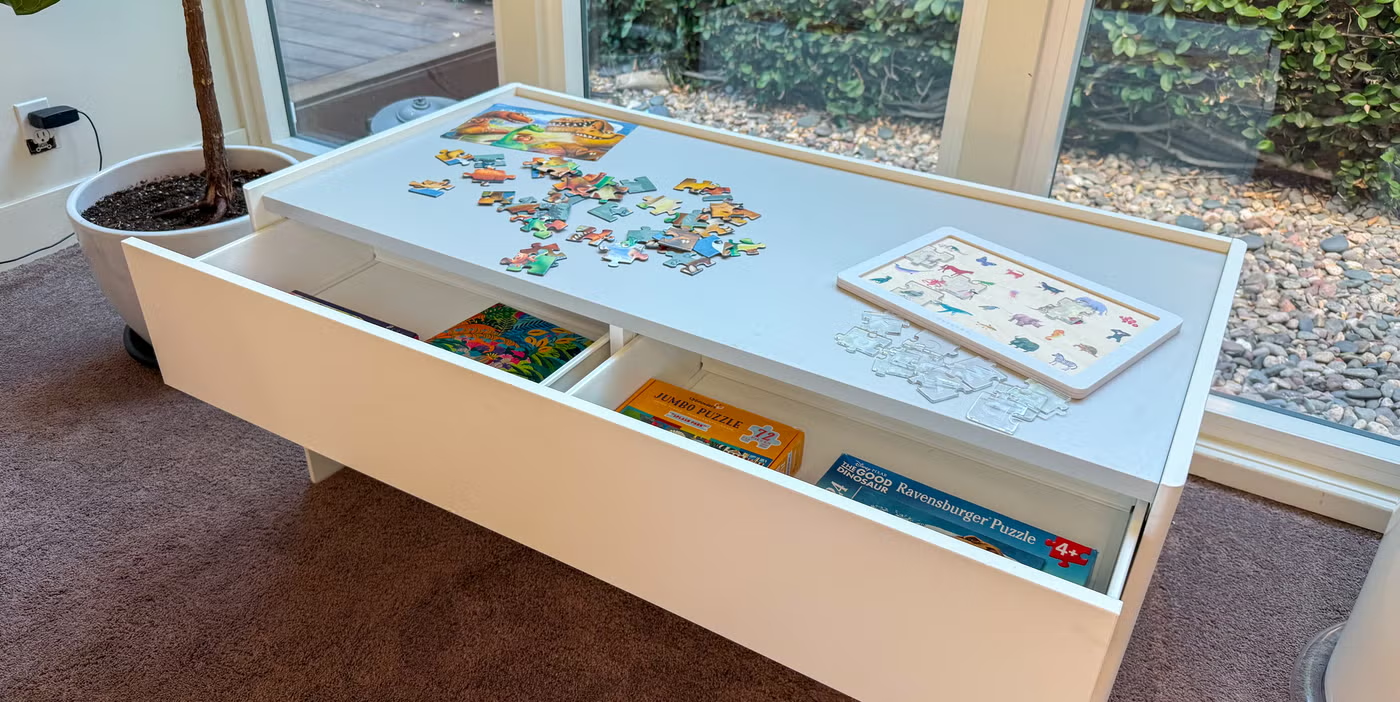
A puzzle can occupy a dining table for days or weeks, which makes a dedicated setup surprisingly useful. Smart puzzle table ideas protect unfinished work between sessions while keeping pieces organized and reachable. The best arrangement doesn’t need to be elaborate; it simply needs enough surface area, comfortable seating, dependable lighting, and a way to preserve progress.
Choose a Surface That Fits Your Puzzles
Start with the finished dimensions of the puzzle sizes you complete most often. The table should provide extra space around the puzzle for sorting pieces instead of matching the board exactly.
A smooth but non-slippery surface makes pieces easier to move. Some people add a removable felt or fabric-covered board, while others prefer a hard tabletop that is simpler to clean.
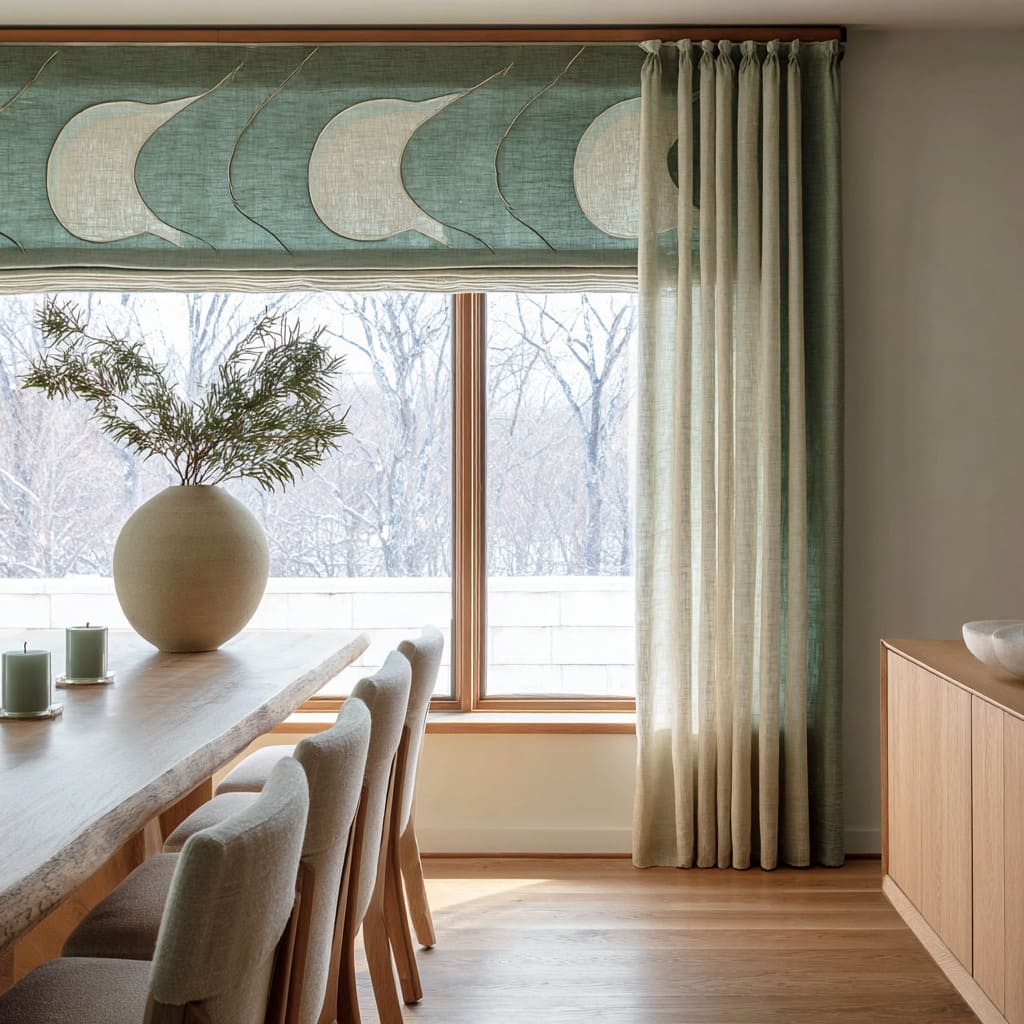
When comparing room design references, focus on proportions rather than decorative details. A beautiful table becomes annoying if its edge, height, or width makes reaching the center uncomfortable.
Create Sorting Space Without Creating Clutter
Loose pieces spread quickly when every empty section of table becomes a sorting zone. Trays give edge pieces, colors, patterns, and unusual shapes temporary homes while preserving the central working area.
Stackable trays are particularly useful when the puzzle remains unfinished for long periods. They can be moved together instead of collecting pieces individually whenever the room needs tidying.
Families planning multifunctional rooms sometimes look through casual home inspiration before selecting storage furniture. For puzzle spaces, shallow drawers and movable containers usually outperform deep decorative baskets because pieces remain visible.
| Puzzle Need | Helpful Feature | Why It Works |
|---|---|---|
| Main assembly | Flat wide surface | Supports full layout |
| Piece sorting | Shallow trays | Keeps groups visible |
| Session breaks | Cover or board | Protects progress |
| Accessories | Nearby drawer | Clears tabletop |
Protect Unfinished Puzzles Between Sessions
If children, pets, guests, or shared-room activities can disturb the table, protection matters as much as organization. A rigid cover keeps pieces from being moved while also preventing dust from settling directly onto the project.
A removable puzzle board offers another option. The entire project can be lifted and stored horizontally when the table is needed for something else.
Ideas gathered from online home collections may help when deciding how a puzzle station should blend into a living room or hobby room. Still, storage should never force an unfinished puzzle to bend or tilt if you want pieces to remain positioned.
Improve Comfort for Longer Sessions
Puzzling often involves leaning forward and scanning small visual details, so table height and chair comfort matter. A chair that supports an upright posture can make longer sessions noticeably easier.
Lighting should cover the full work surface without creating strong reflections on glossy pieces. An adjustable lamp works well when daylight changes during the day.
Keep drinks on a separate side table when possible. One spill can turn an organized project into a cleanup job, especially with cardboard pieces.
Mistakes That Make Puzzle Tables Less Useful
The biggest mistake is choosing a table based only on the maximum puzzle size. An oversized surface may leave the center difficult to reach, while a table that’s barely large enough provides nowhere to sort.
Permanent storage can also become excessive. Dozens of compartments sound helpful until sorting becomes more complicated than puzzling. A few flexible trays usually adapt better to different images, piece counts, and solving methods.
Frequently Asked Questions
Should a puzzle table have a raised edge?
A low raised edge can help prevent loose pieces from sliding onto the floor. It shouldn’t be so high that it becomes uncomfortable for your forearms during long sessions.
Can an unfinished puzzle be stored vertically?
A completed section can shift if the board is tilted, especially when pieces fit loosely. Horizontal storage is generally the safer choice when preserving an unfinished layout matters.
What lighting works best for puzzles?
Broad, even lighting helps reveal small differences in color and pattern. Adjustable task lighting can supplement ceiling lights and reduce shadows, especially during evening sessions.
Build Around the Way You Actually Puzzle
A dedicated puzzle setup doesn’t need complicated furniture. Give yourself enough room to assemble, a few shallow sorting trays, reliable lighting, and a practical way to protect unfinished work. If the room serves other purposes, make the puzzle board movable rather than sacrificing the whole space. The right table lets you stop mid-project and return later without rebuilding your organization from scratch.